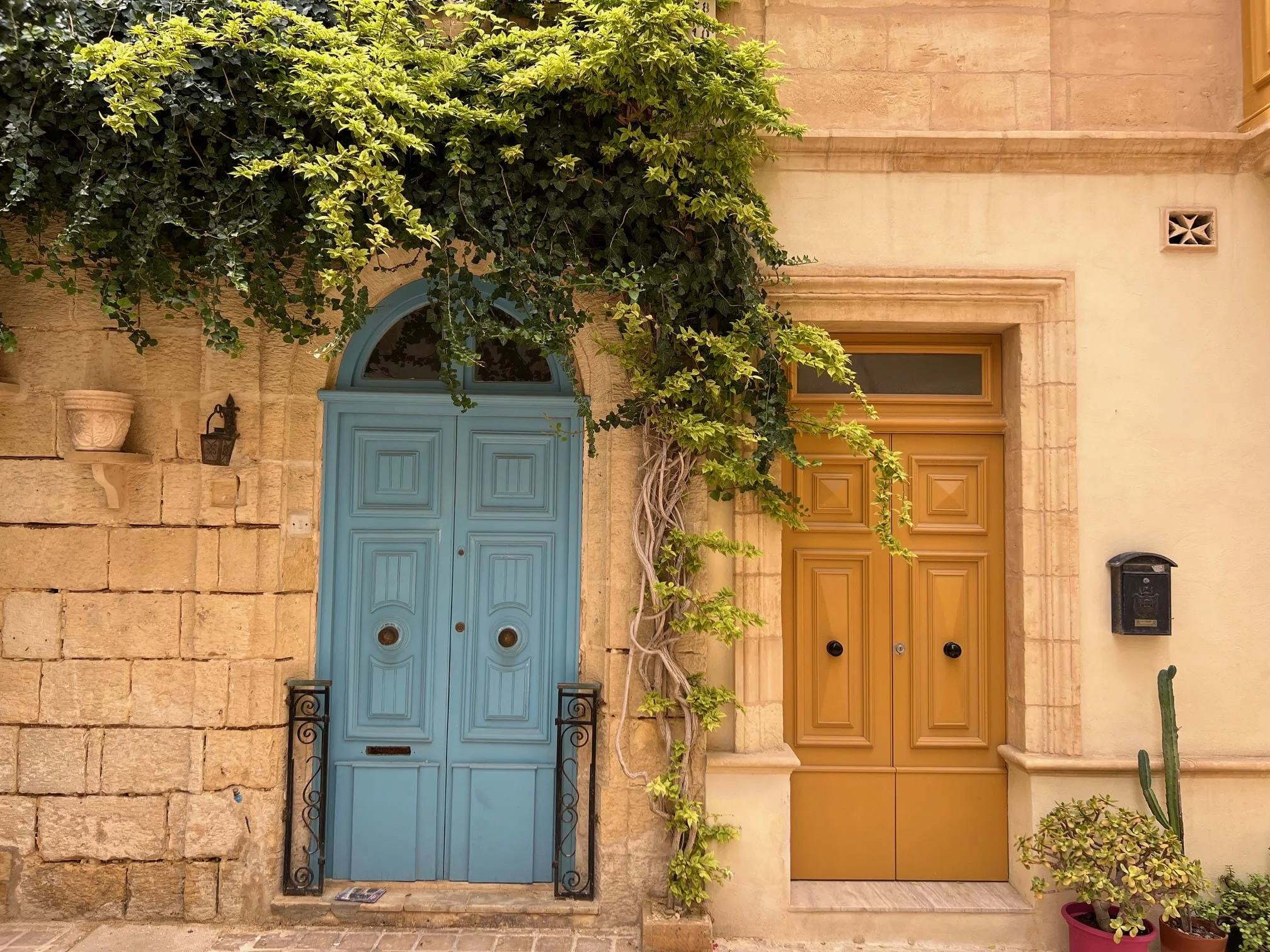
The Three Cities of Malta
Just across the Grand Harbour, you enter a world without tourist crowds.
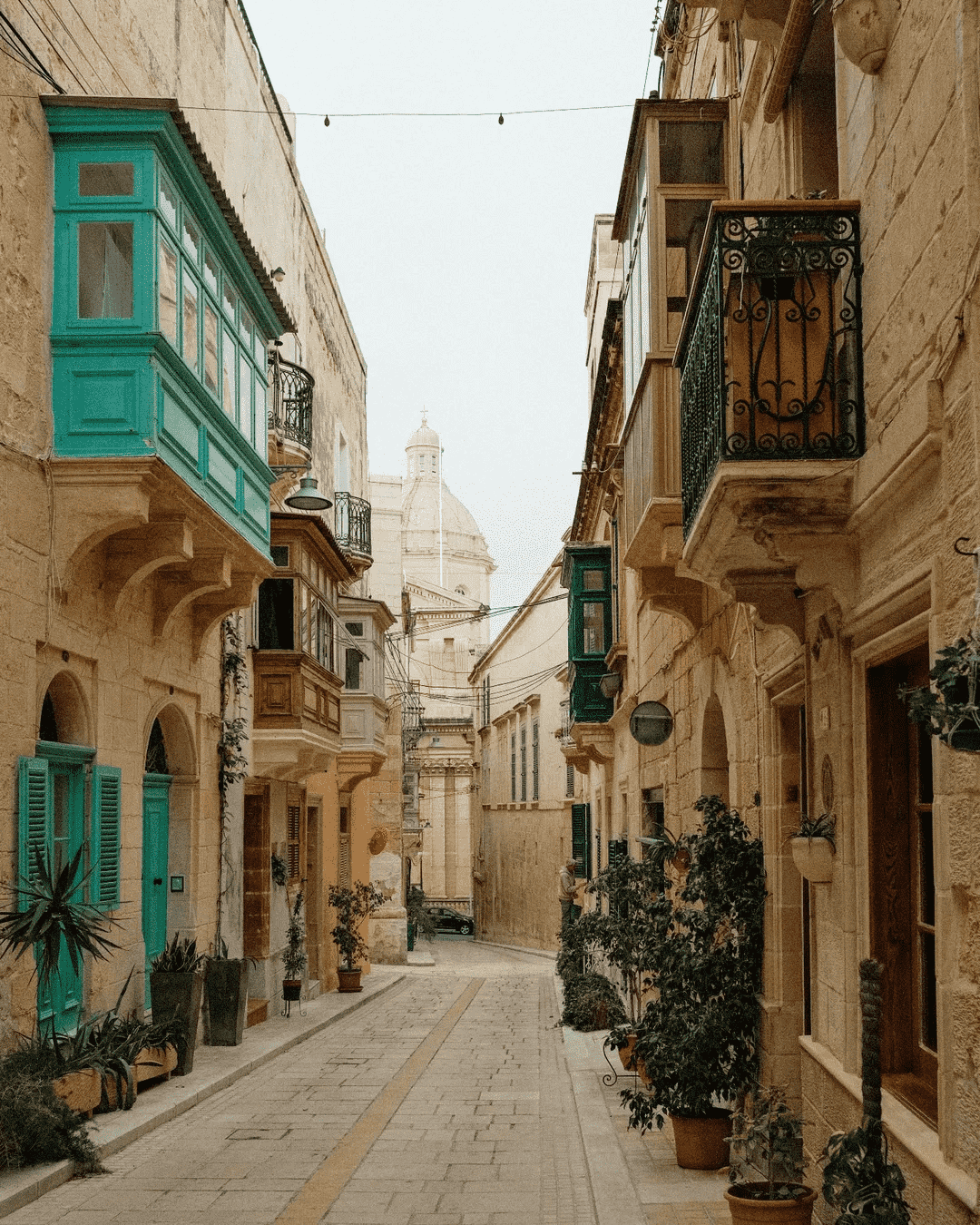
Whenever we are walking through the alleys of the Three Cities, we feel that we’re breathing the history from centuries ago.
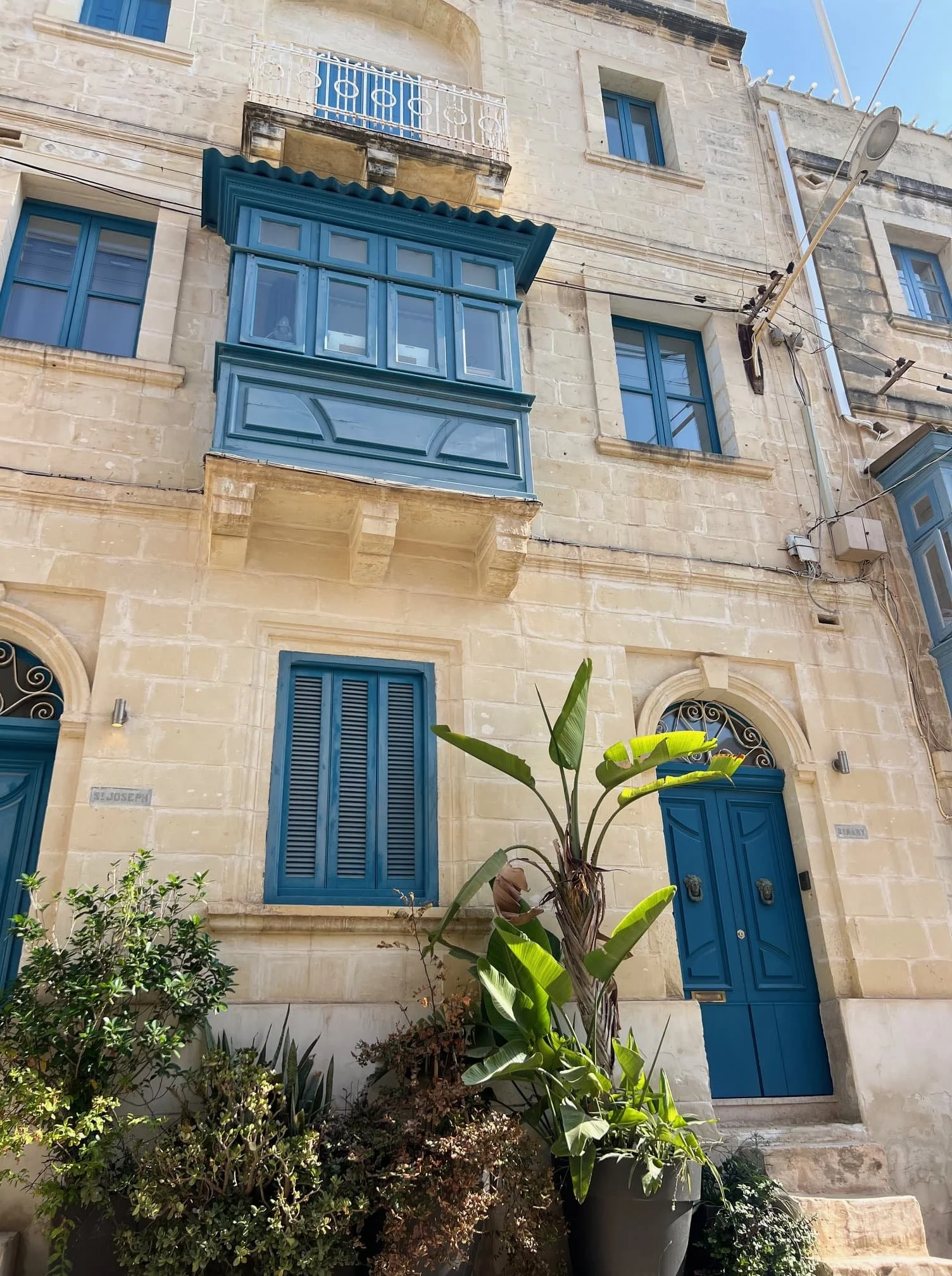
The limestone architecture is exceptional and the entire area is kept very tidy. Residents appreciate the historic value of their homes. They maintain the original character of the facades, grow plants next to their doors and paint their balconies in different colours.
The majority of the people is from older generations and the spoken language is Maltese. The pace of life is slower than in the busy commercial parts of Malta.
Browse through our photography and read more about the history of the Three Cities!
Birgu
Birgu is the oldest of the Three Cities and once served as the first home of the Knights before Valletta was built. Its narrow lanes and stone arches still reflect that era.
At the waterfront you will find the Malta Maritime Museum, located inside the old Royal Naval Bakery. It tells the story of Malta’s long connection with the sea and displays ship models, anchors and naval artefacts.
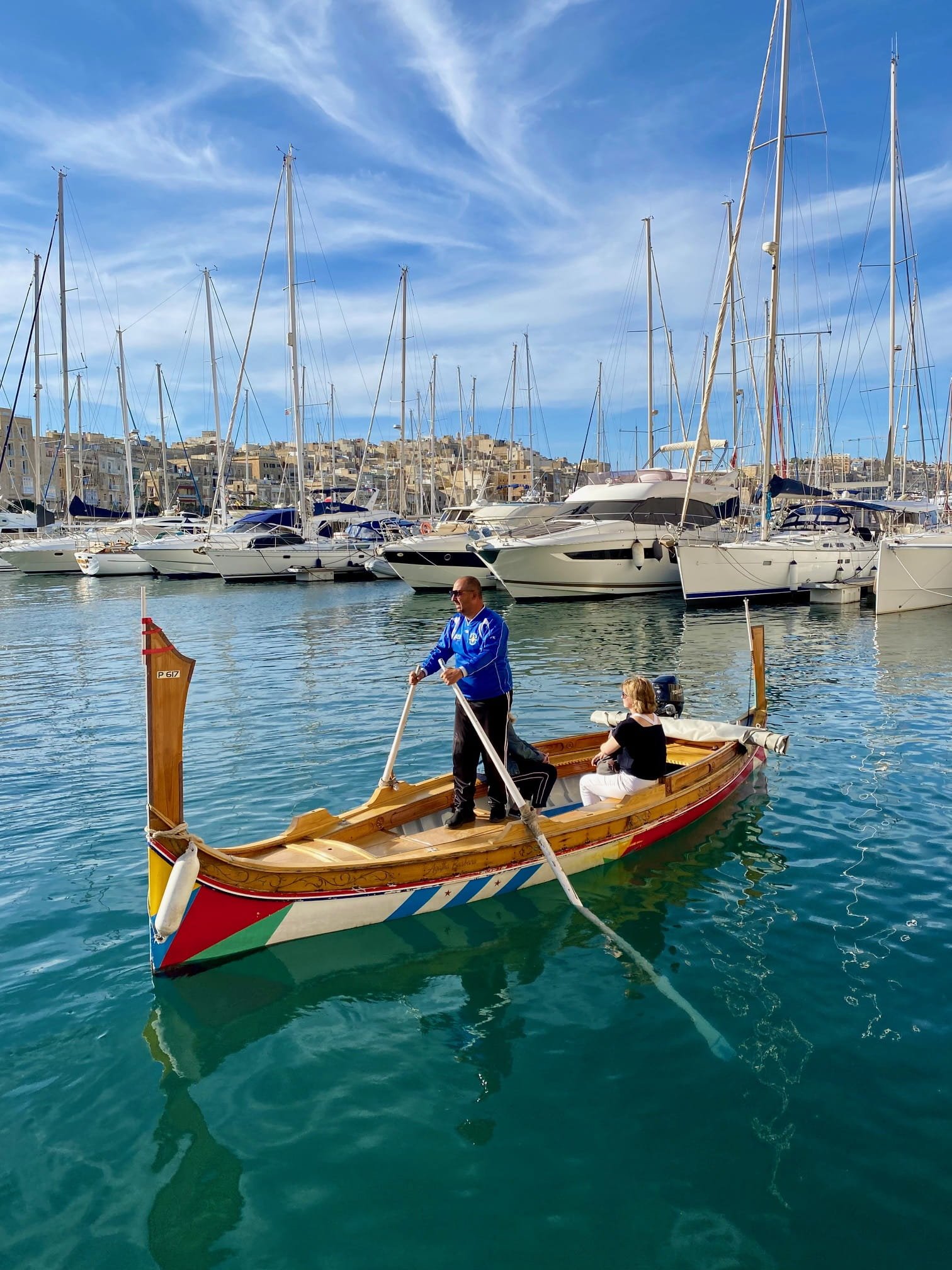
Woman taking a gondola trip from Birgu
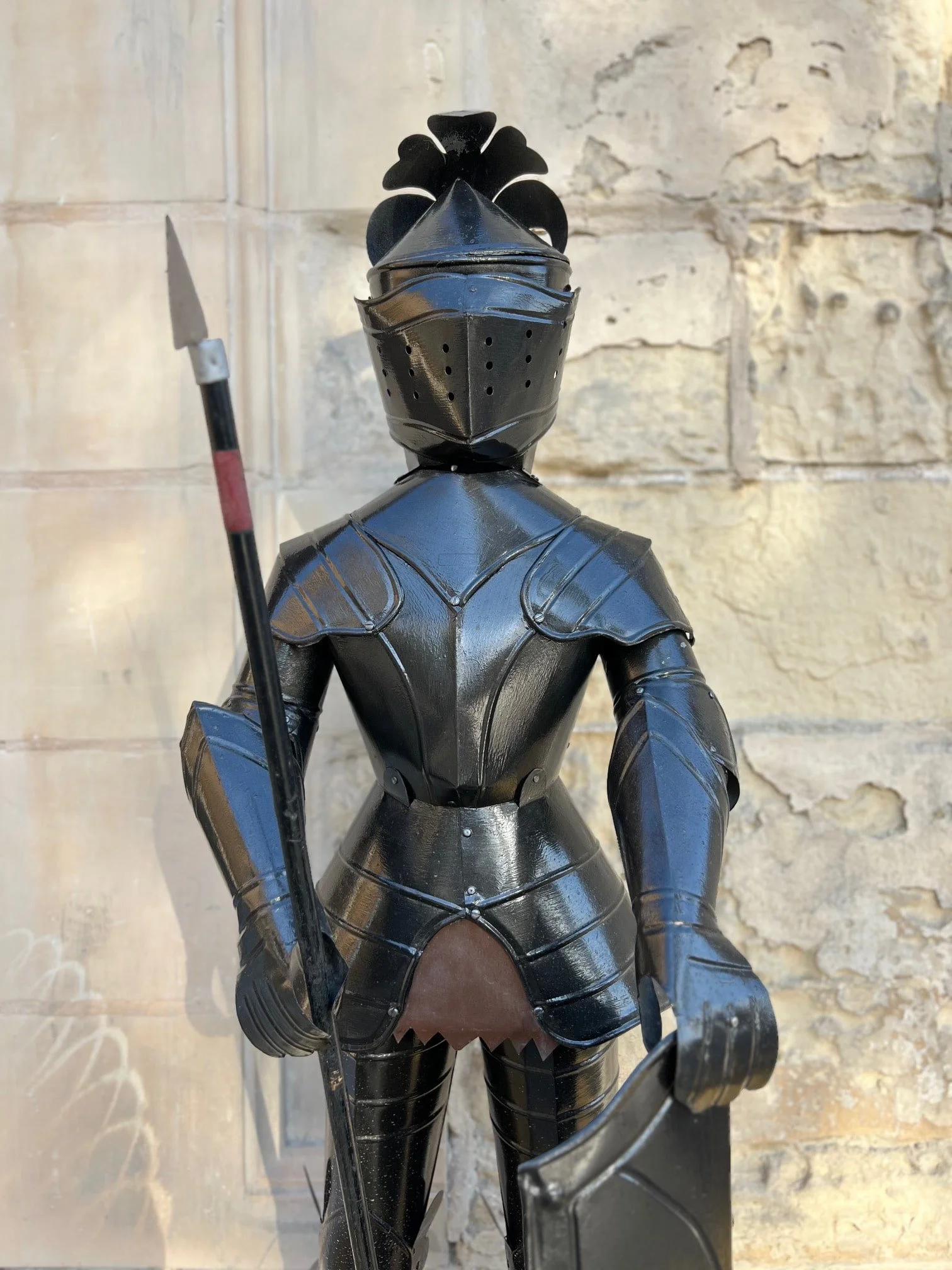
Mini knight in front of St. Lawrenz Church
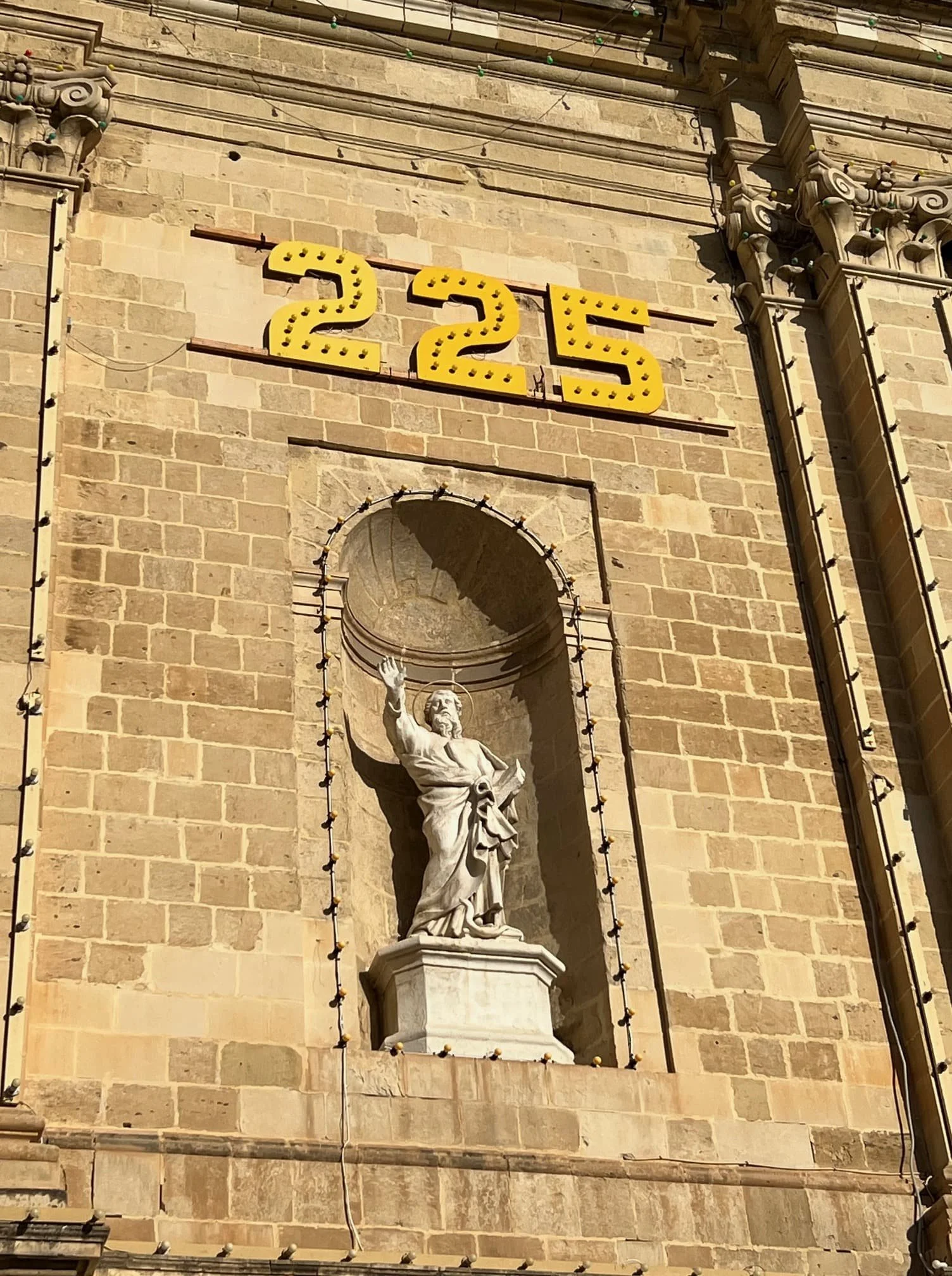
St. Lawrenz Church
A short walk up the hill brings you to the Inquisitor’s Palace and the nearby Malta at War Museum which occupies an old fortress and air-raid shelters from World War II.
The streets around the main square are full of charm — old doors painted in different colours, small shrines in each corner and traditional balconies overlooking the alleys.
Near the marina you will find the Church of St. Lawrence which is famous for its baroque façade and views over the Grand Harbour. From here you can walk towards Fort St. Angelo, the massive fortress that protected Malta during the Great Siege.
Senglea
Like Birgu, Senglea sits on a narrow peninsula facing Valletta. Its name comes from Claude de la Sengle, the Grand Master who rebuilt the city after the Great Siege of 1565.
At the tip of the peninsula you will find the Guardiola Tower, the famous limestone watchtower carved with an eye and an ear — symbols of vigilance used by the Knights to guard the harbour. From here, you can overlook Valletta and the Grand Harbour.
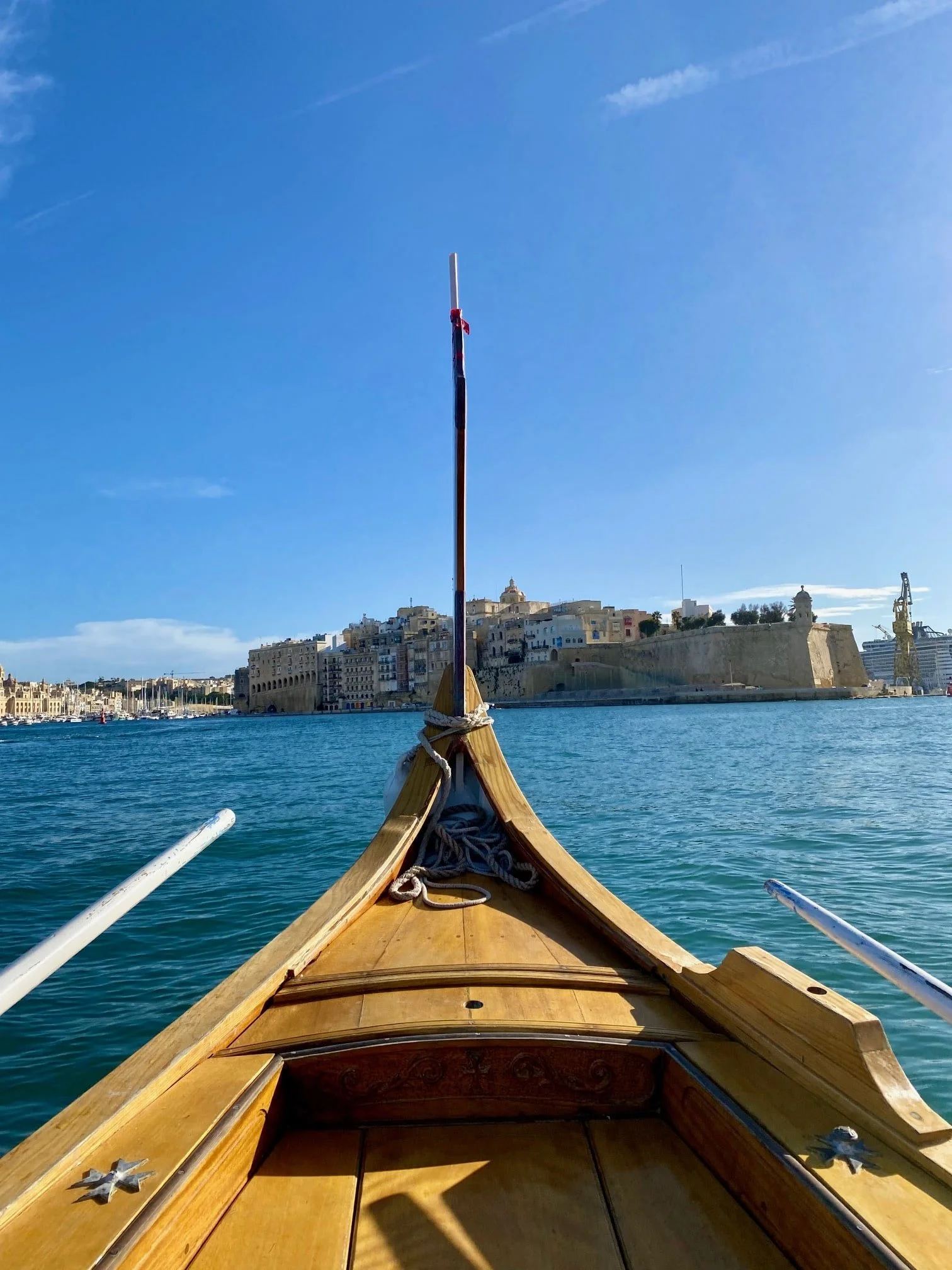
Gondola view towards Senglea
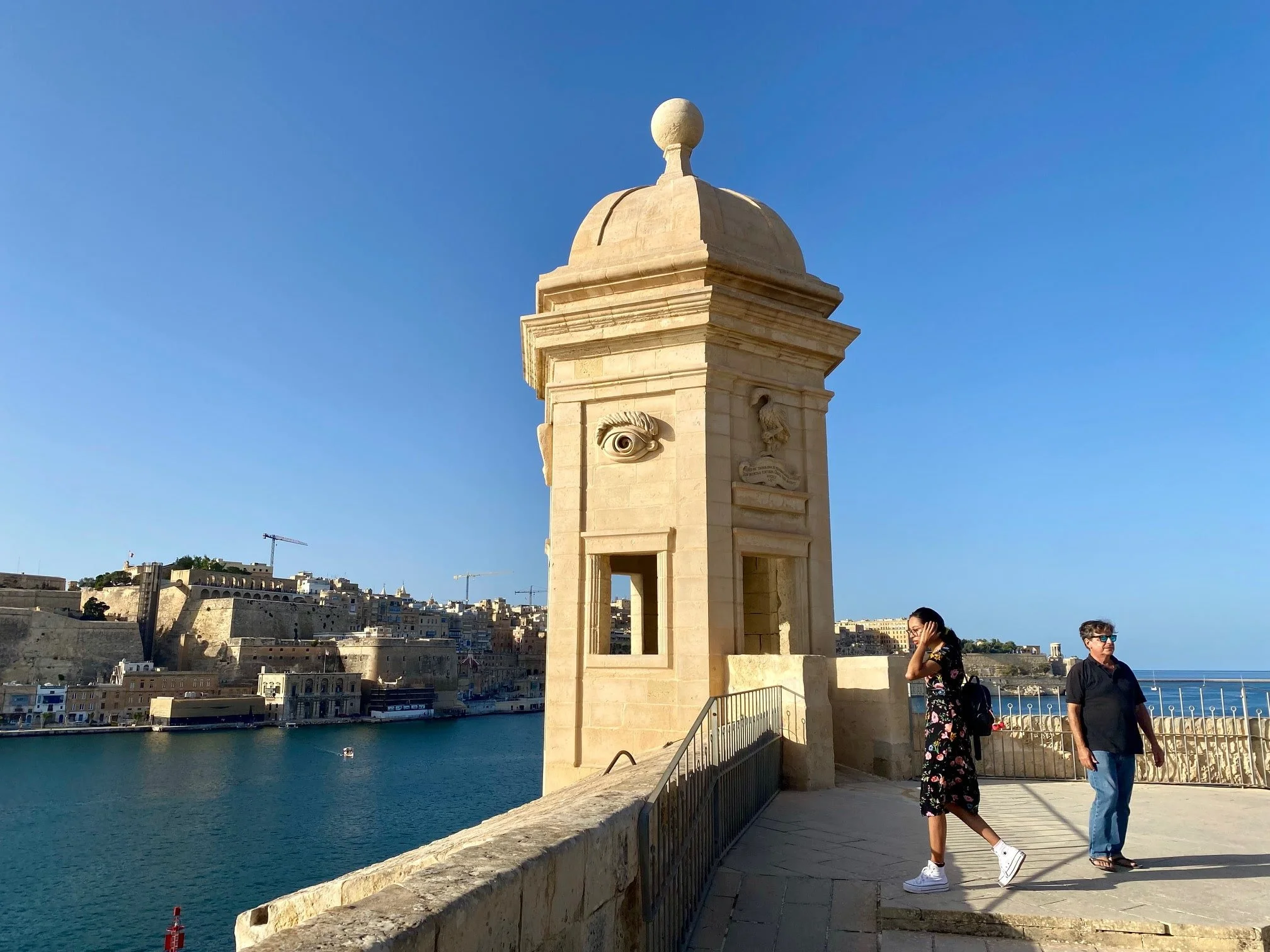
Gardjola Tower with view to Valletta
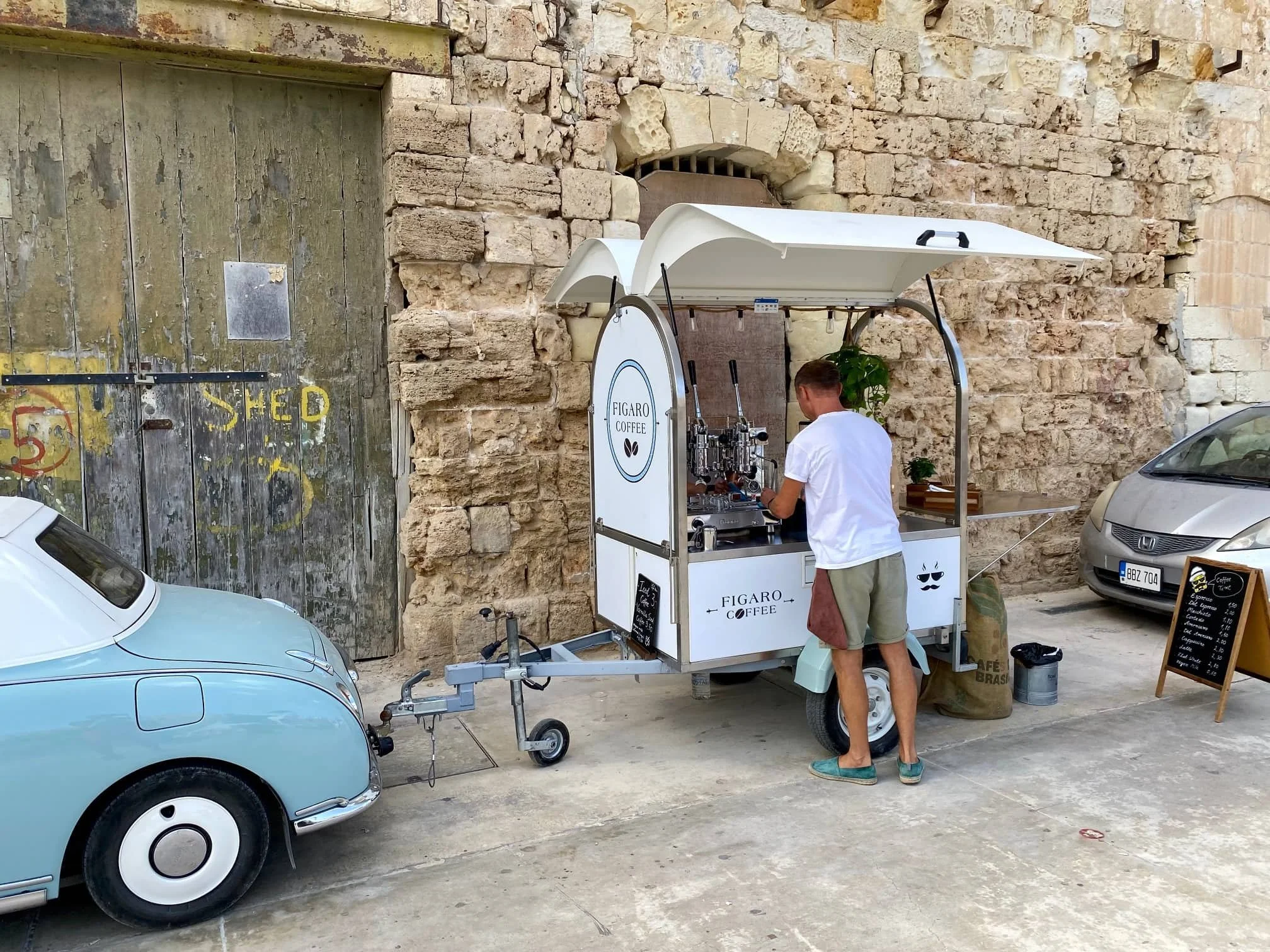
Coffee wagon in Senglea
Senglea is smaller and quieter than Birgu, with steeper steps very often filled with plants. You will also notice people’s laundry hanging in the air. However, along Xatt Juan B. Azzopardo (Senglea’s waterfront) you will find different restaurants.
Cospicua
Cospicua, also called Bormla, is the largest of the Three Cities. It is surrounded by massive fortifications — the Santa Margherita and Cottonera Lines — which once protected the inner harbour towns.
Townhouse at Triq Il-Gendus
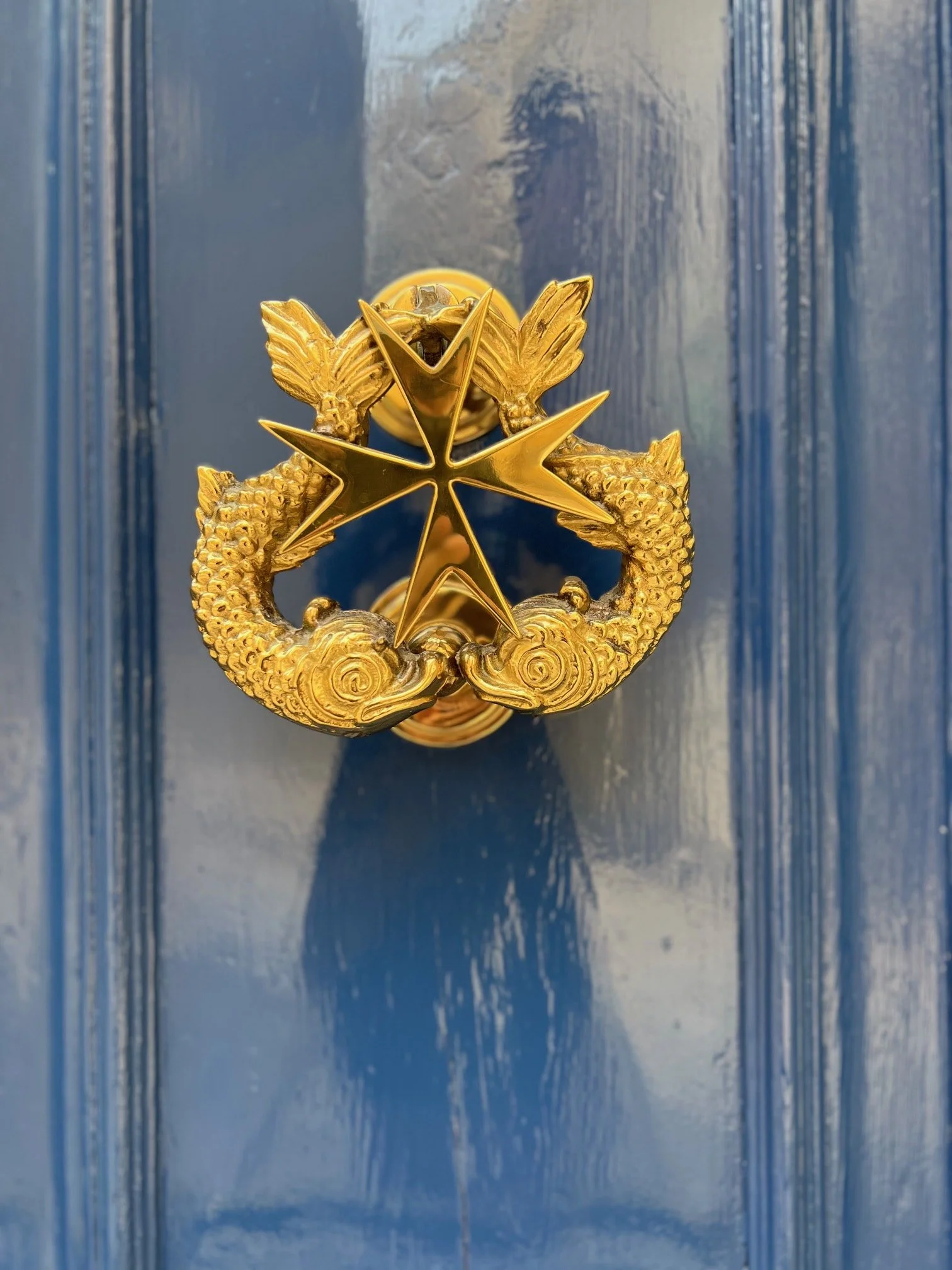
Old Maltese brass knocker
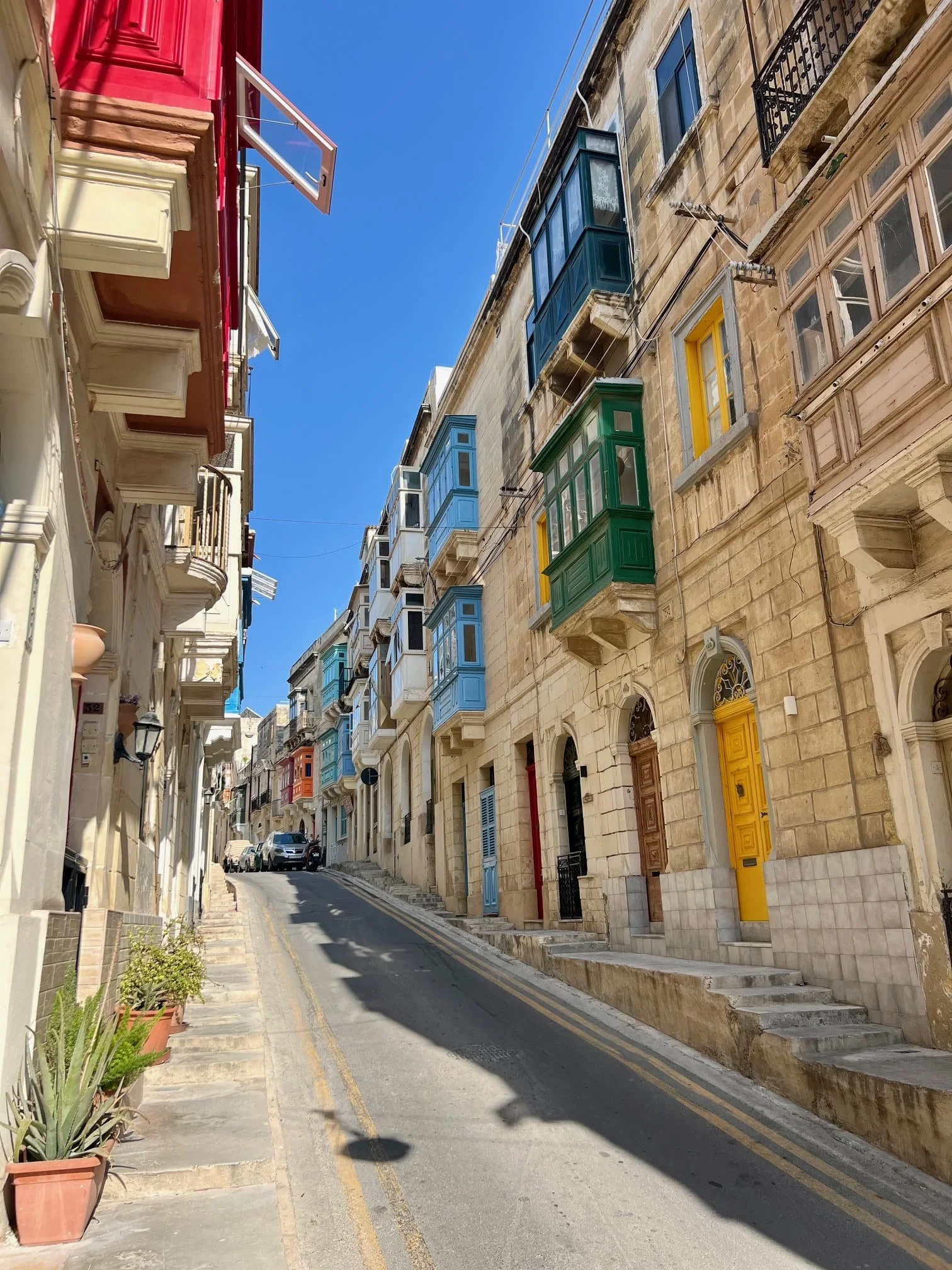
Triq L-Oratorju
Among the renovated townhouses you’ll find hidden alleys, small bars and local coffee places. Most of them are located opposite or right next to the American University.
Each year, during the Maltese National Regatta, the waterfront fills with boats that compete in one of Malta’s oldest rowing traditions.