No Car in Malta? How We Get Around
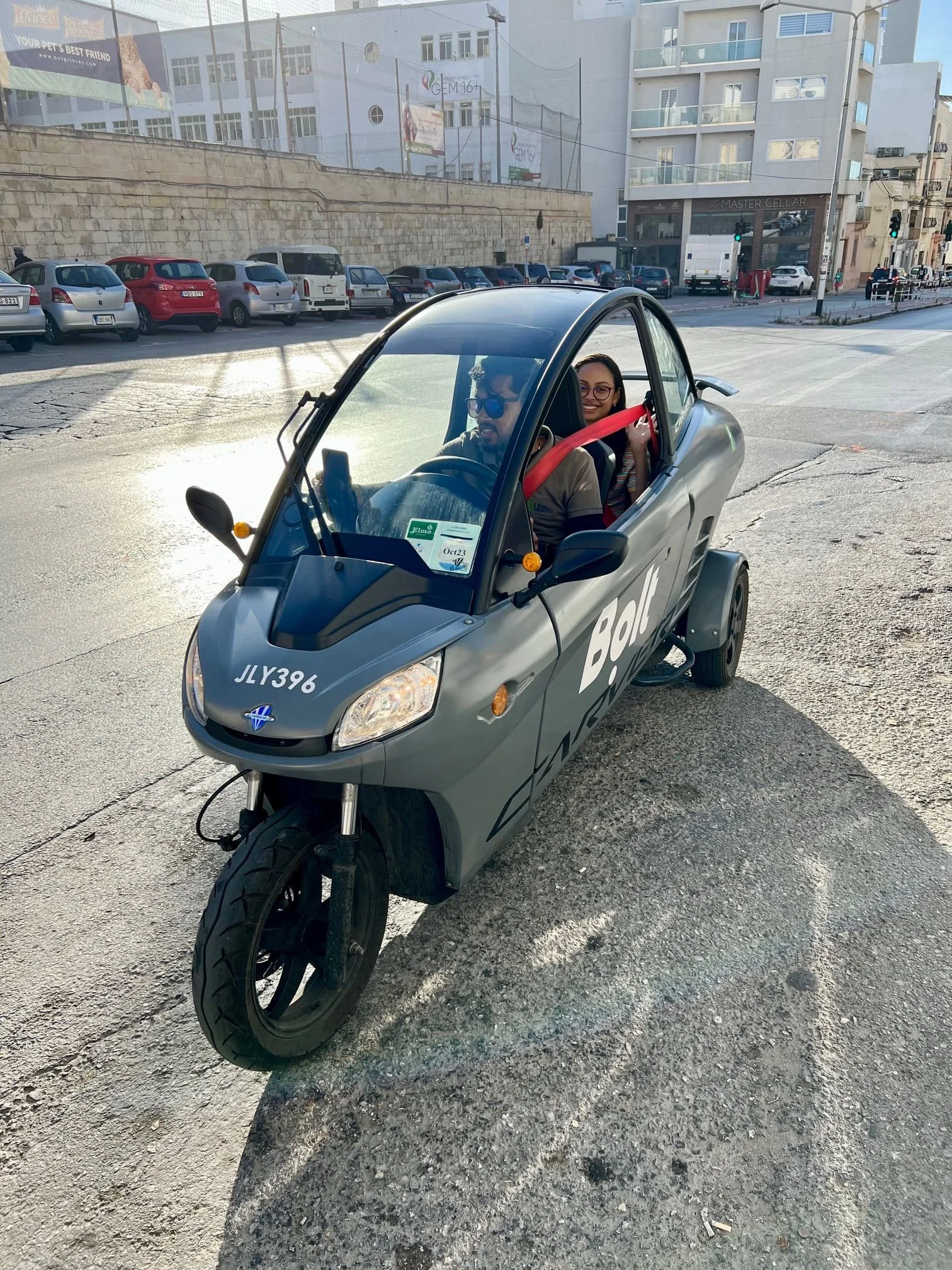
Bolt Lite — Mediterranean lifestyle with reduced comfort
Updated on 1/4/2026 for prices
Traffic in Malta is a topic everyone complains about. It can be time consuming and expensive to get from A to B. But after living here for several years (without owning a car) I’ve figured out a system that works. I mix and match.
Sometimes I’m on a “budget bus”, sometimes I treat myself to a Bolt. I have a love-hate relationship with Maltese buses. They are cheap (€2.50 or free with a personalised card), but they can be extremely slow if you pick the wrong route.
Spinola to Valletta
Look at the map below. Going from St. Julian’s to Valletta can take forever. The slow option (in light blue) is the standard bus that goes along the coast, enters every single bay (e.g. Balluta Bay, Tigne Point) and stops constantly. In summer this can be a nightmare.
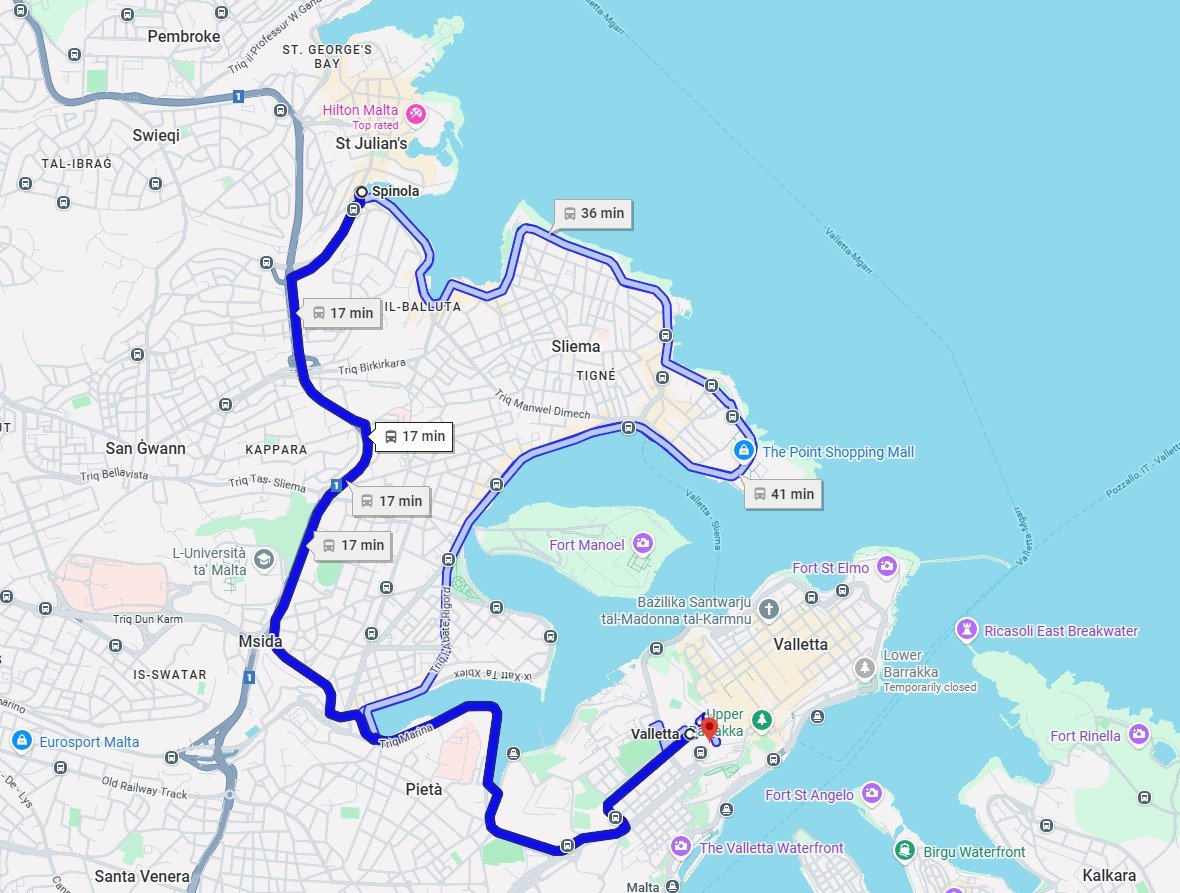
Spinola to Valletta by TD (17 minutes) vs regular bus (~40 minutes)
The fast way is the TD route. As you can see on the map, these buses skip the bays and go straight onto the highway.
My advice is to always check if there is a TD option (like TD13 or TD2). They cost a little more (€3.00 cash), but they save you 20–30 minutes of frustration.
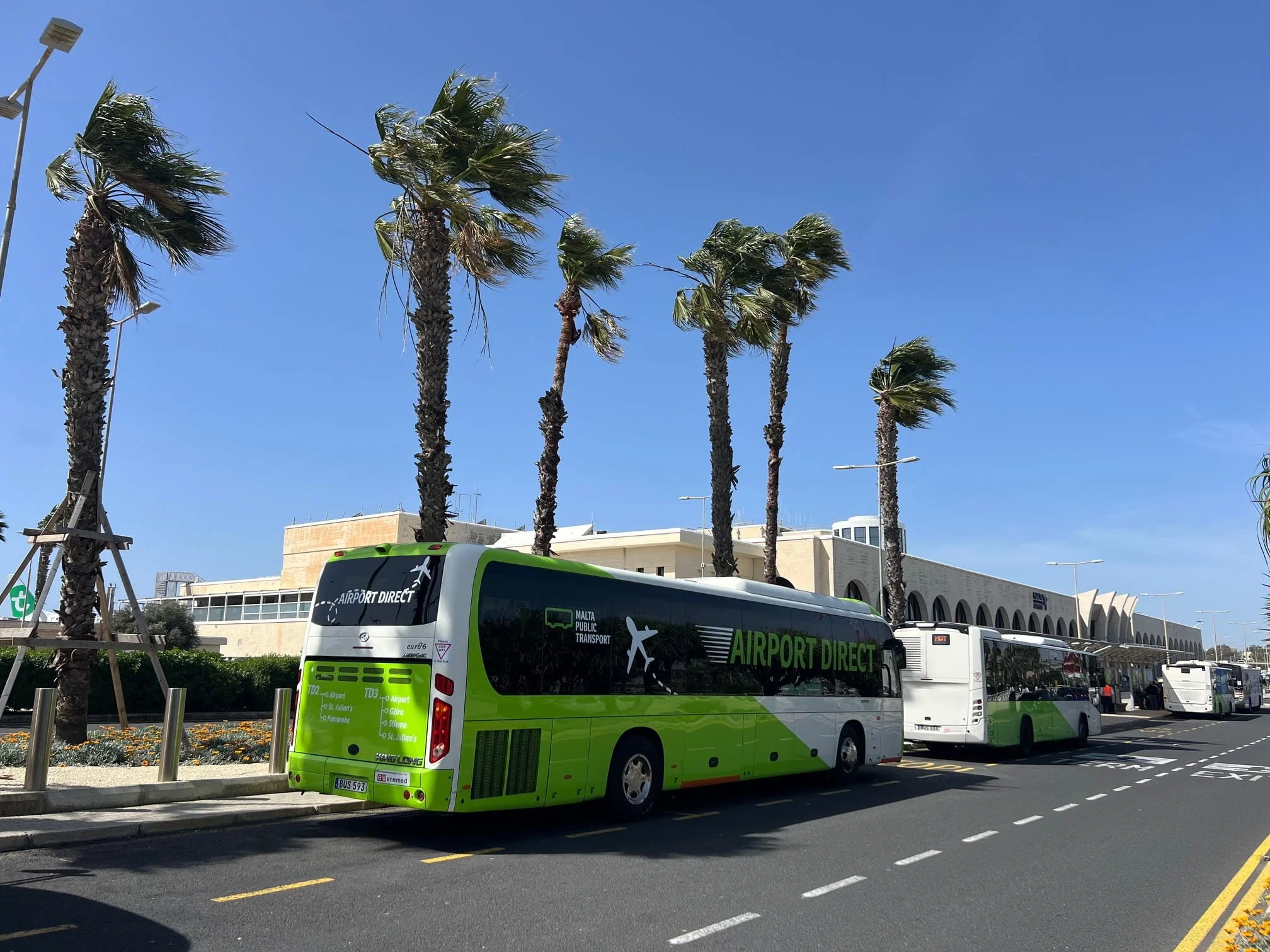
Malta buses queuing at the airport
| Option | Cost (Single) | Speed / Experience |
|---|---|---|
| Standard Bus | €2.50 (Free with card) |
Slow Stops everywhere, often crowded |
| TD Bus (Express) | €3.00 (Deducted from card) |
Fast Uses highway, fewer stops |
| Bolt / Uber | €4 – €25 (Per ride) |
Direct Private, AC, depends on traffic |
| Valletta Ferry | €1.50 (One-way ticket) |
Tallinja Card
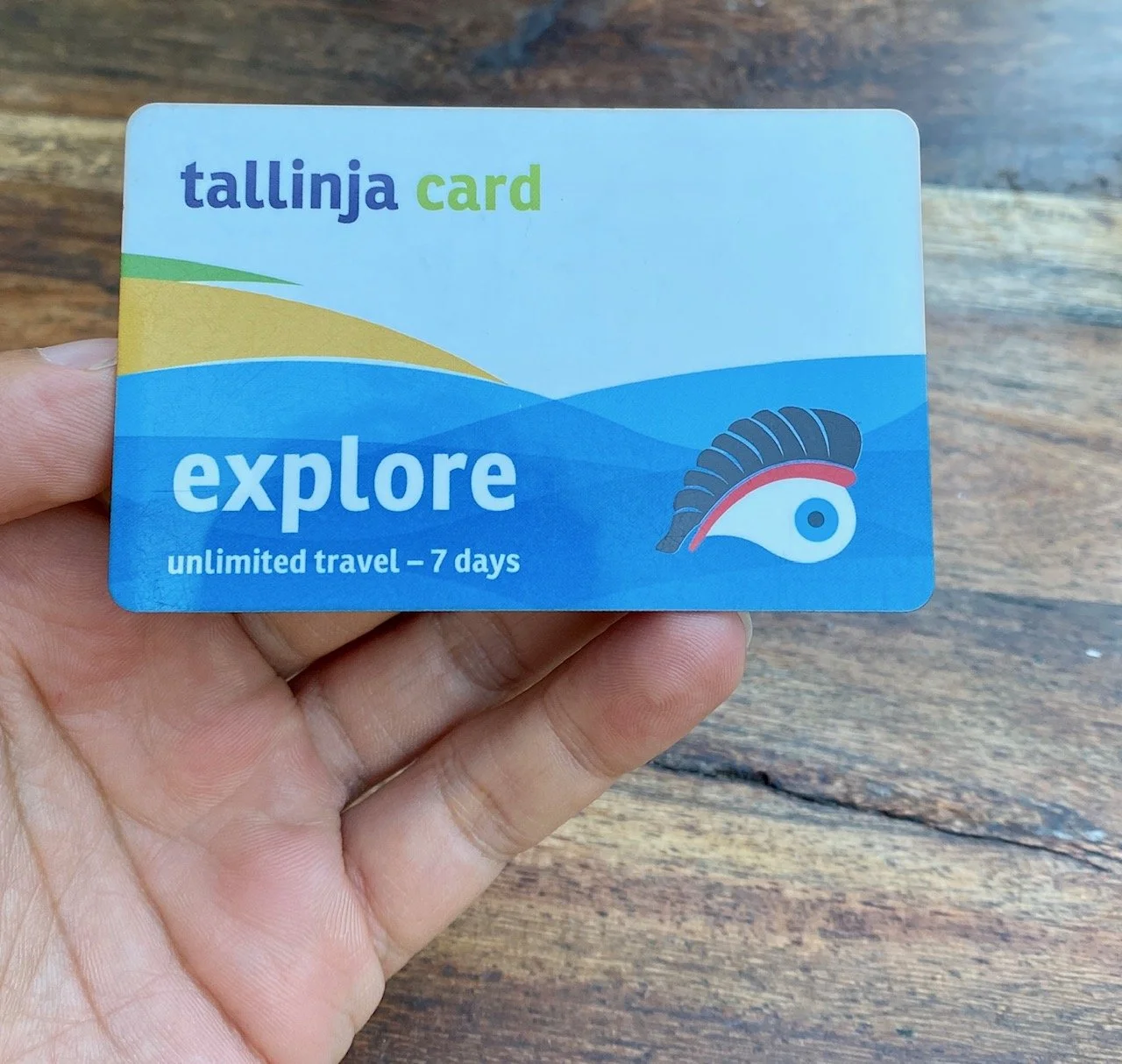
Weekly Tallinja Card (€25 for adults and €7 for children)
If you stay for about a week, buy the weekly Tallinja Card for €25 (adults) or €7 (children under the age of 10). You can either buy it at the airport or at Sliema Ferries.
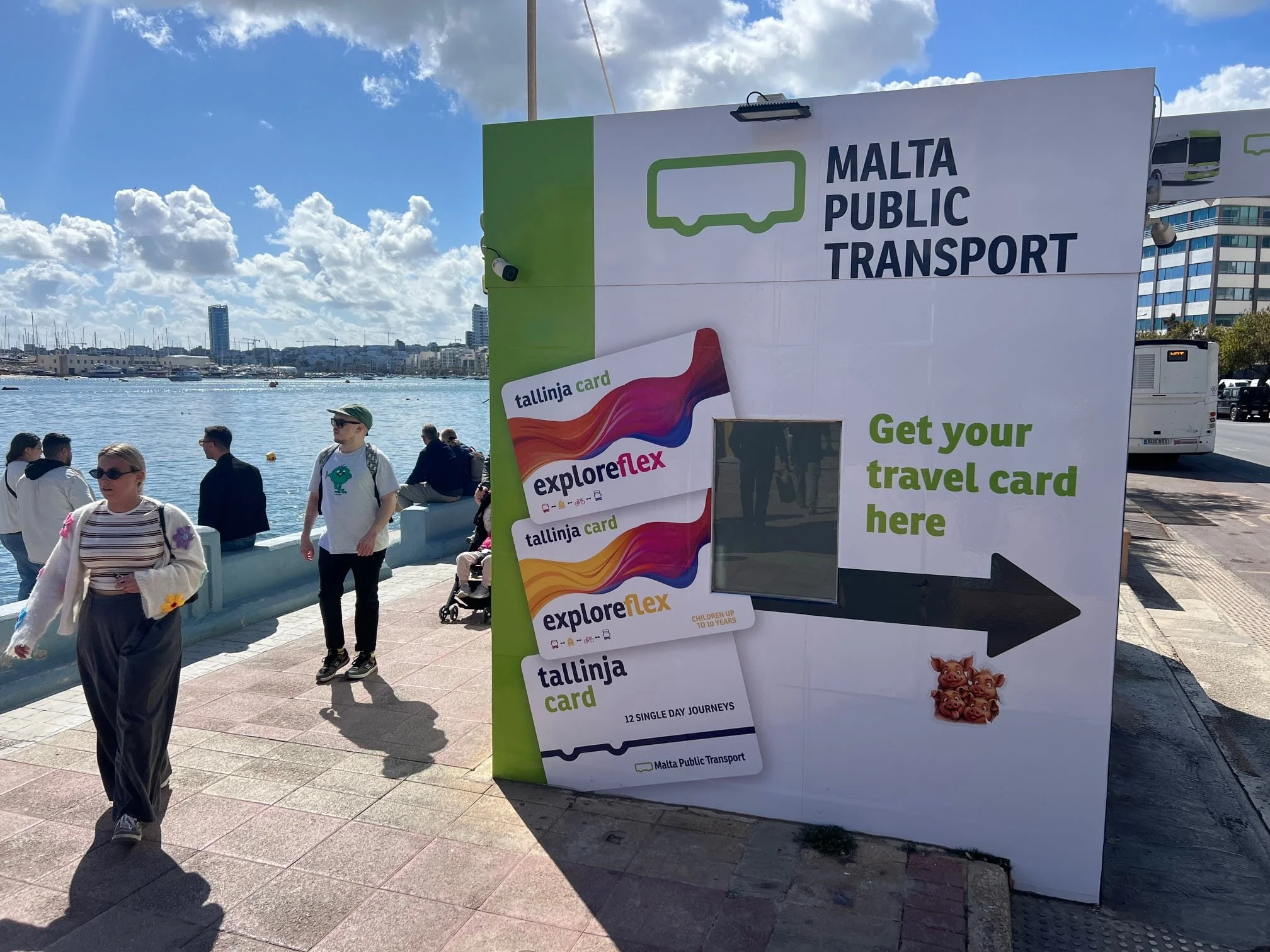
Malta Public Transport ticket sales booth at Sliema Ferries
If you start living on the island (even for just two or three months), order the personalised Tallinja Card online (the one with your photo). It allows you to travel for free on most routes or gives you reduced rates. You can top it up easily via the app.
Also, download the Tallinja App to track buses in real-time. It’s not 100% accurate, but it tells you if the bus is about to arrive or in delay.
Bolt and Uber
If you come from Northern Europe, taxi apps in Malta will feel very cheap. This is due to the hard-working drivers from India, Pakistan, Nepal and the Philippines who keep the island moving while earning very little.
Bolt prices are calculated by demand and traffic estimation. If you order a Bolt right at the Gzira or Sliema waterfront during rush hour (5–6pm), you pay a premium because the driver is stuck in traffic.
I walk 2–3 minutes away from the busy waterfront to a side street or a main road where traffic flows. I always make sure I am standing on the side of the road that heads towards my destination. If the driver has to drive a loop or make a U-turn in heavy traffic to get to you, the price goes up (and the wait time too).
Also, compare between your apps. I always have Bolt and Uber installed and I sometimes find a 20–30% price difference between them at the exact same moment.
If you stay in Gzira, Sliema or St. Julians you might see tiny, funny-looking cars (like the one in the cover photo from Sliema Road). These are the "Bolt Lite" category. Another new category that just popped up is Little Bolt, a smaller car that allows for three passengers only.
White Taxis and Scooters
You will see white taxis waiting at the airport or in Paceville. I wouldn’t bother though. In all my years here, I have never taken one. They are generally more expensive than the apps and are mostly used by tourists who haven't downloaded Bolt yet. Stick to the apps where the price is fixed before you get in.
If you read older blog posts, you might expect to see rental e-scooters everywhere. Update 2026: They are gone. The government banned rental scooters from the streets because they were annoying people walking at the promenades. You can still own a private one, but you can’t rent them on the street anymore.
By the way, the best areas to stay in without a car are probably Sliema and Gzira. Read: Malta Workation on a Budget — Gzira and Sliema.
Follow us on Instagram!
Author: Bjorn

If you’re planning a one or two-month workation in Malta, you probably have three questions: Where exactly should I live? How much will it cost? And where can I socialise?