Malta Workation on a Budget — Gzira and Sliema
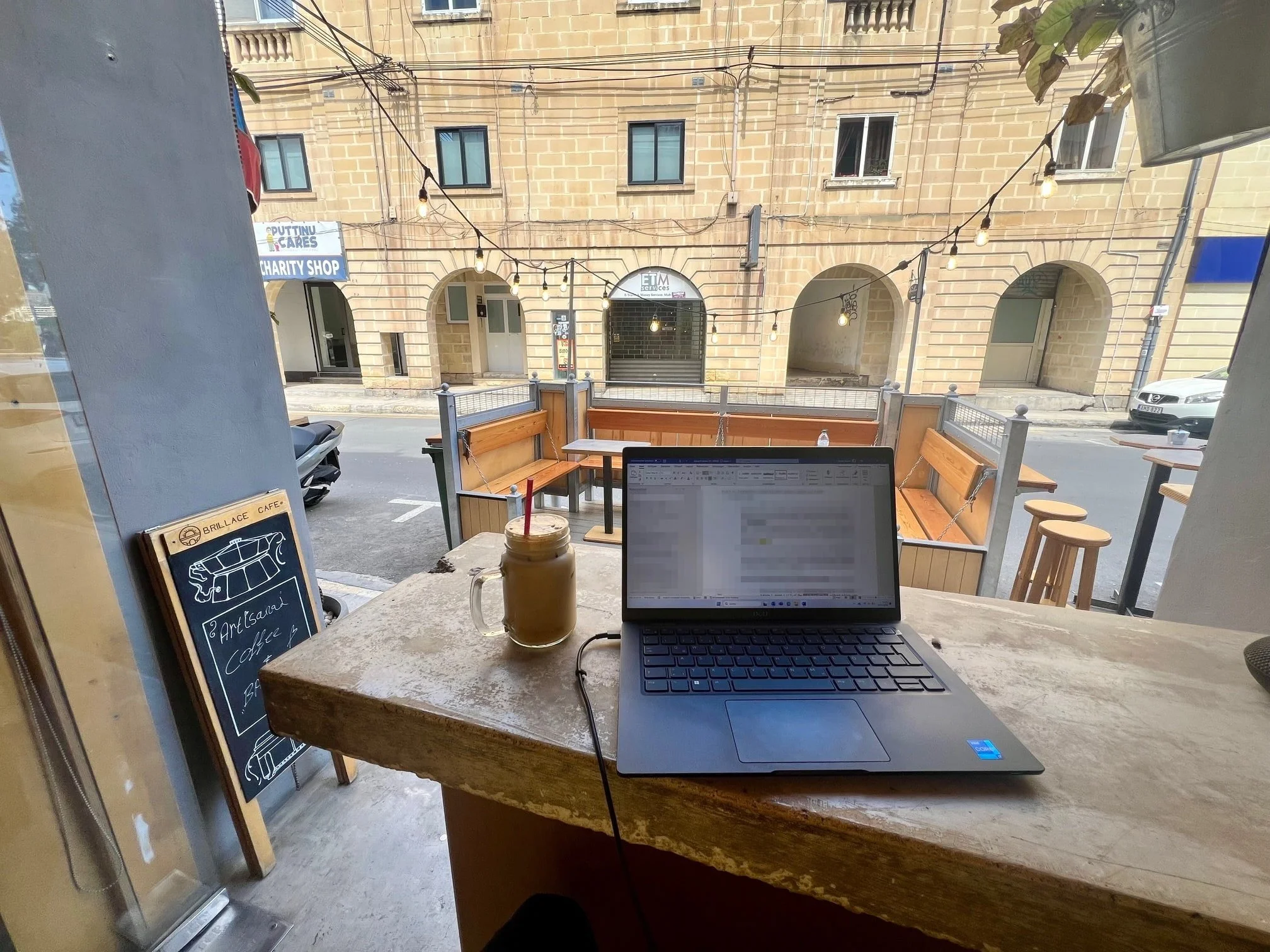
Remote work at Brillace Cafe in Gzira
If you’re planning a one or two-month workation in Malta, you probably have three questions: Where exactly should I live? How much will it cost? And how can I make sure I won’t be lonely?
I live here long-term, but I see nomads come and go constantly.
Where to stay in Gzira and Sliema
Most nomads live around Gzira and Sliema. Distances here are walkable, the streets are full of life and you’re always close to the sea. But Gzira and Sliema are still pretty big.
If you pick the wrong street, you could end up next to a noisy mechanic or a construction site or a main road. If you pick the right one, you’ll sleep better.
I’ve marked the best areas on the map below. These spots are great for socialising during the day, but generally quieter at night.
Favourite streets
In Gzira: My favourite streets in Gzira are Triq Manoel de Vilhena near Ayubowan and Gzira Parish Church, Triq San Albert (near Loaf) as well as Triq Edgar Bernard and Triq Nazju Ellul, specifically the quiet areas near the Footbal Pitch and Athletics Track. These streets are very central, but away from traffic. And you’re not far from the seafront.
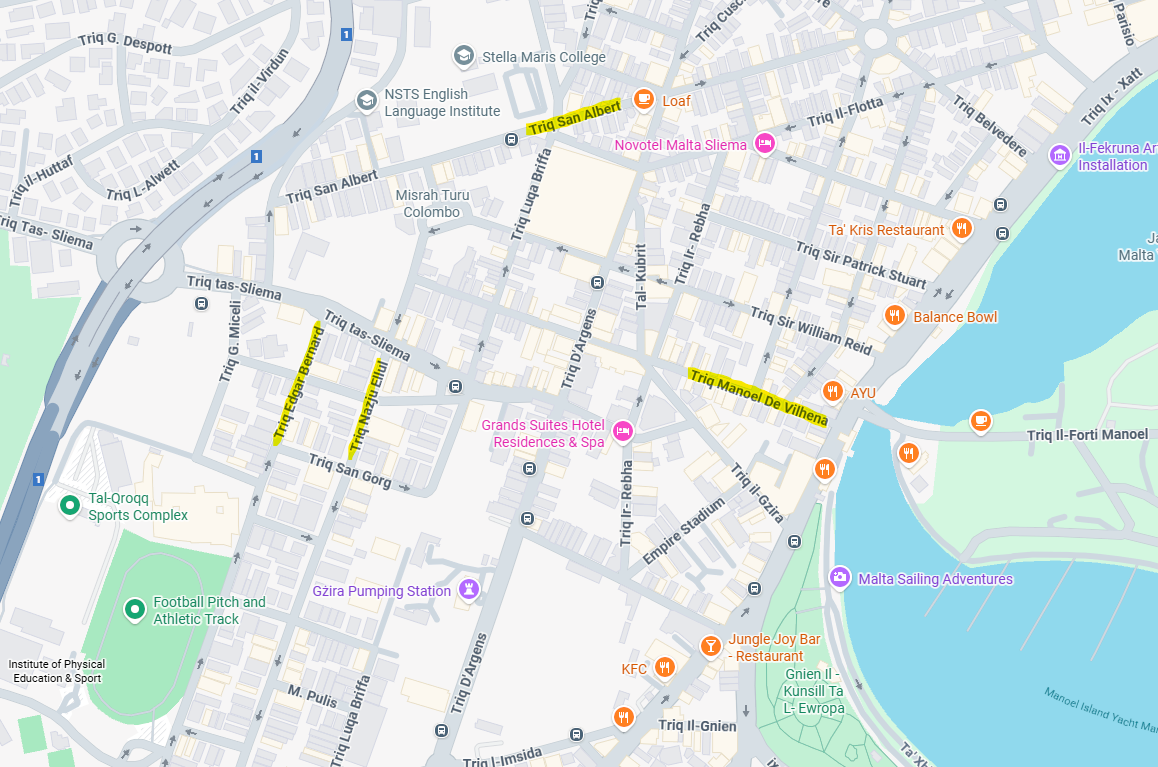
Map of Gzira and highlighted streets
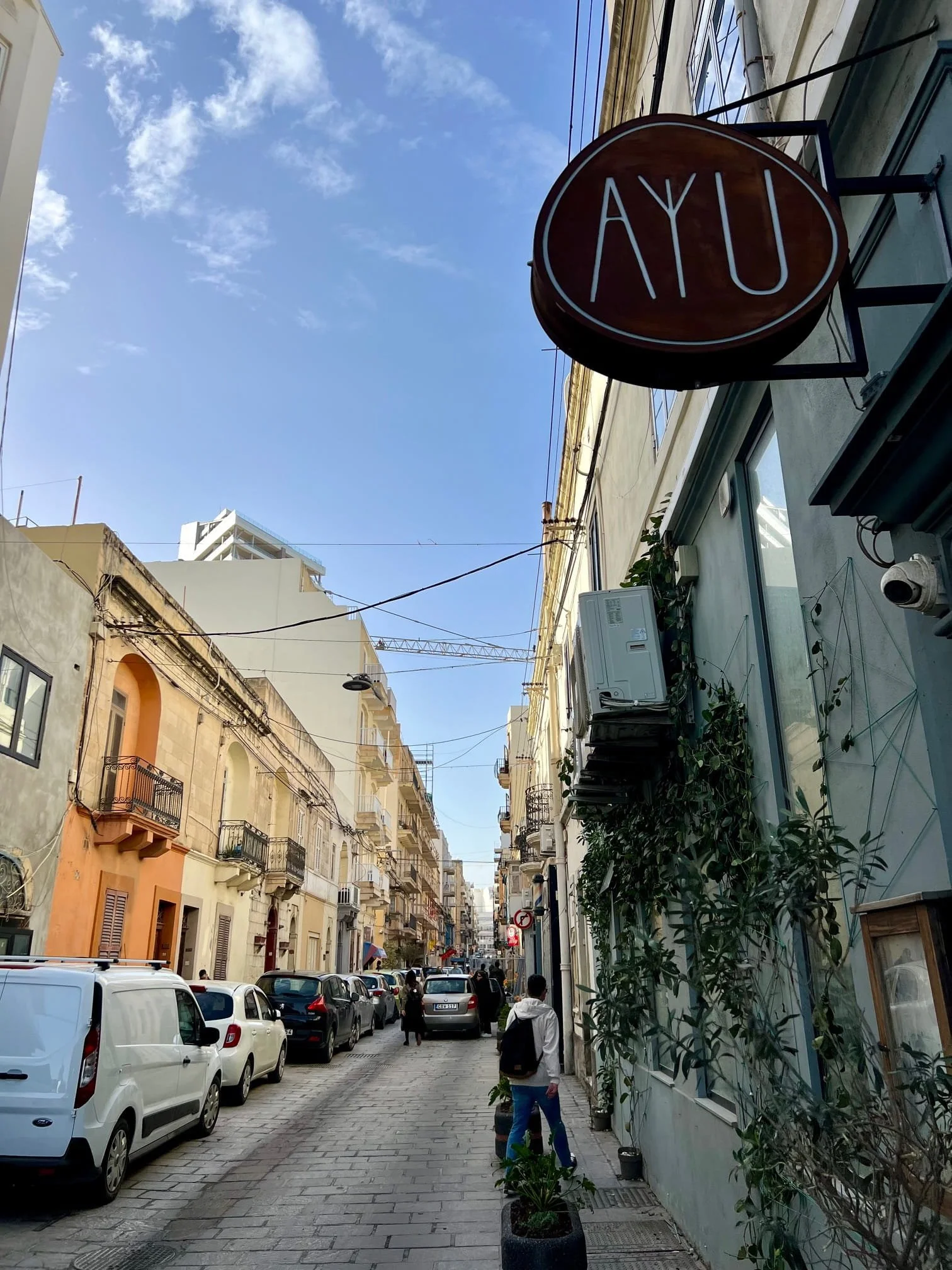
Triq Manoel de Vilhena, Gzira
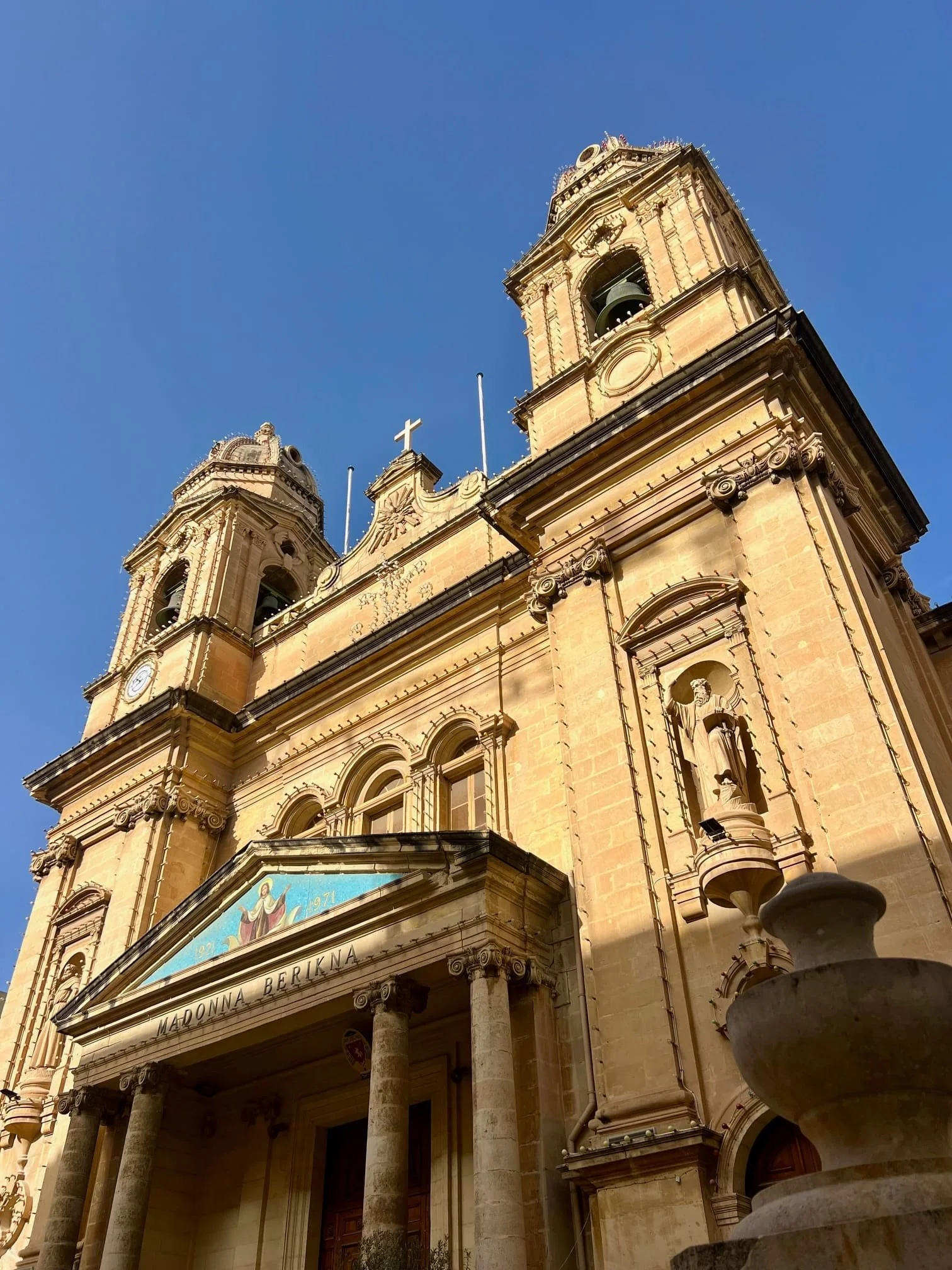
Gzira Parish Church
In Sliema: I would look for quiet streets such as Norfolk Street (not far from Exiles Bay Beach) or the upper parts of Triq San Vincenz and Triq Il-Lunzjata near Annunciation Square, with a Lidl and a few trendy bars (Popp Social Club or Hole in the Wall) nearby.
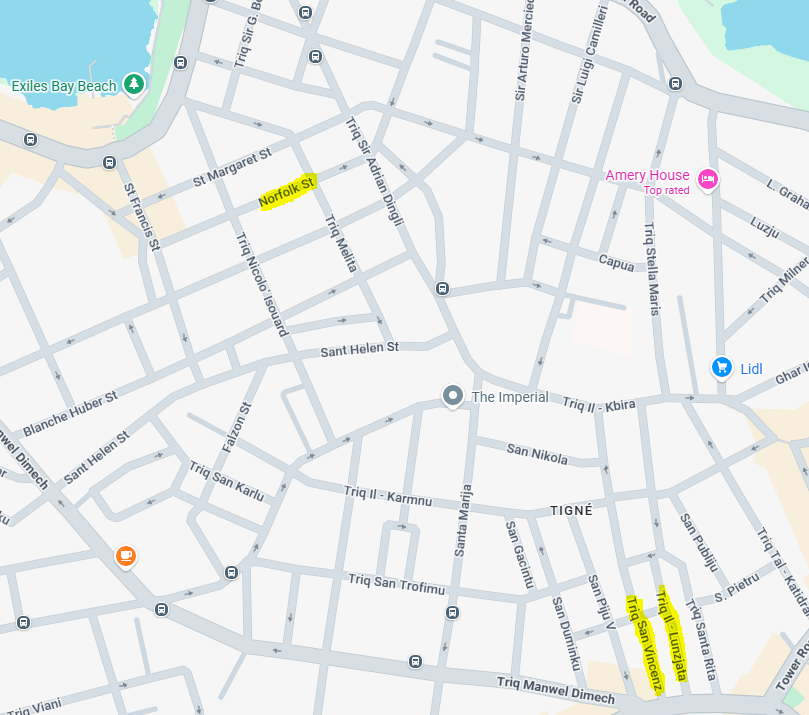
Map of Sliema and highlighted streets
Updated 2026 prices
Prices go up year by year, but you can still find value if you know where to look.
A private room in a modern shared flat usually costs between €550 and €650 (plus bills). Gzira is generally on the lower end of that, Sliema on the higher end. A 1-bedroom apartment starts at around €900 in Gzira, but can easily jump to €1,200 or €1,500 in Sliema, especially if it's new.
How to find a room or flat
This is the most critical part. Contacting a real estate agent makes no sense for a 1-month stay because of the fees they’re charging (usually half a month's rent + VAT).
Instead you should try Facebook groups and look for mid-term rental opportunities.
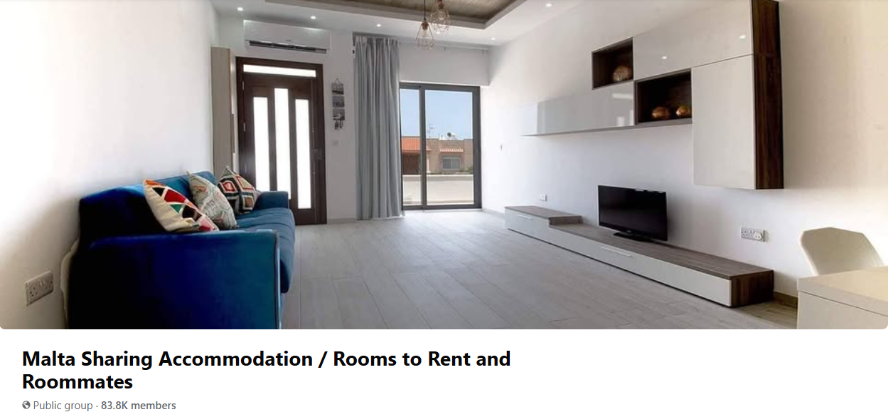
Join Facebook groups for mid-term rentals
Most standard rental contracts in Malta require a minimum stay of 6 months. If you tell a landlord you only want to stay for one or two months, many will either reject you or try to charge a much higher "short-let" price (possibly double the standard rent).
To find places at the prices I mentioned earlier you need to be flexible. Look for people who sublet their room for one month while they travel.
"Malta Sharing Accommodation/Rooms to Rent and Roommates" is a group I can recommend. Owners of shared apartments are often much more willing to accept a 1-month tenant to fill a gap than owners of whole apartments.
In any case, you should join a couple of groups for accommodation and filter your search for "direct from owner", "sublet" or "no agent". Note that the more recent the ad, the better. Good flats go very fast.
Grocery Shopping
If you are staying for a month, you will need to fill your fridge. Here is how Gzira & Sliema locals do it:
- Lidl (Sliema): The cheapest option, but the aisles are narrow and it is always chaotic. Go early in the morning or bring patience. Shelves can be empty from 5pm onwards.
- Welbee's (Gzira & The Point): A proper supermarket with a huge selection and a good deli counter for fresh cheese/ham. Prices are on the high end.
- Convenience Shop: You will see these shops on every corner. Good for milk or snacks late at night, but significantly more expensive.
Traps
Malta is perpetually under construction. Make sure that you pay attention to the neighbourhood when viewing the flat. Also, if you come between November and March, humidity is high. Maltese houses can get damp. Ask if the apartment has a dehumidifier. If not, buying one might be your first expense.
Office setup
If you are serious about work and need an ergonomic chair for 8 hours a day, don't rely on the kitchen table. I have done this for a while and it didn’t end well.
There are co-working hubs for nomads in the area. SOHO Office Space (The Strand) is one of them. It’s professional, huge and has everything from gym access to a pool depending on which location you pick. But it comes at a cost of €300 per month for a desk in the shared area.
Socialising
Making friends in Malta is easier than in London or Berlin because so many people are "new" here. Cafes are a great way to be around people.

Brillace, Gzira
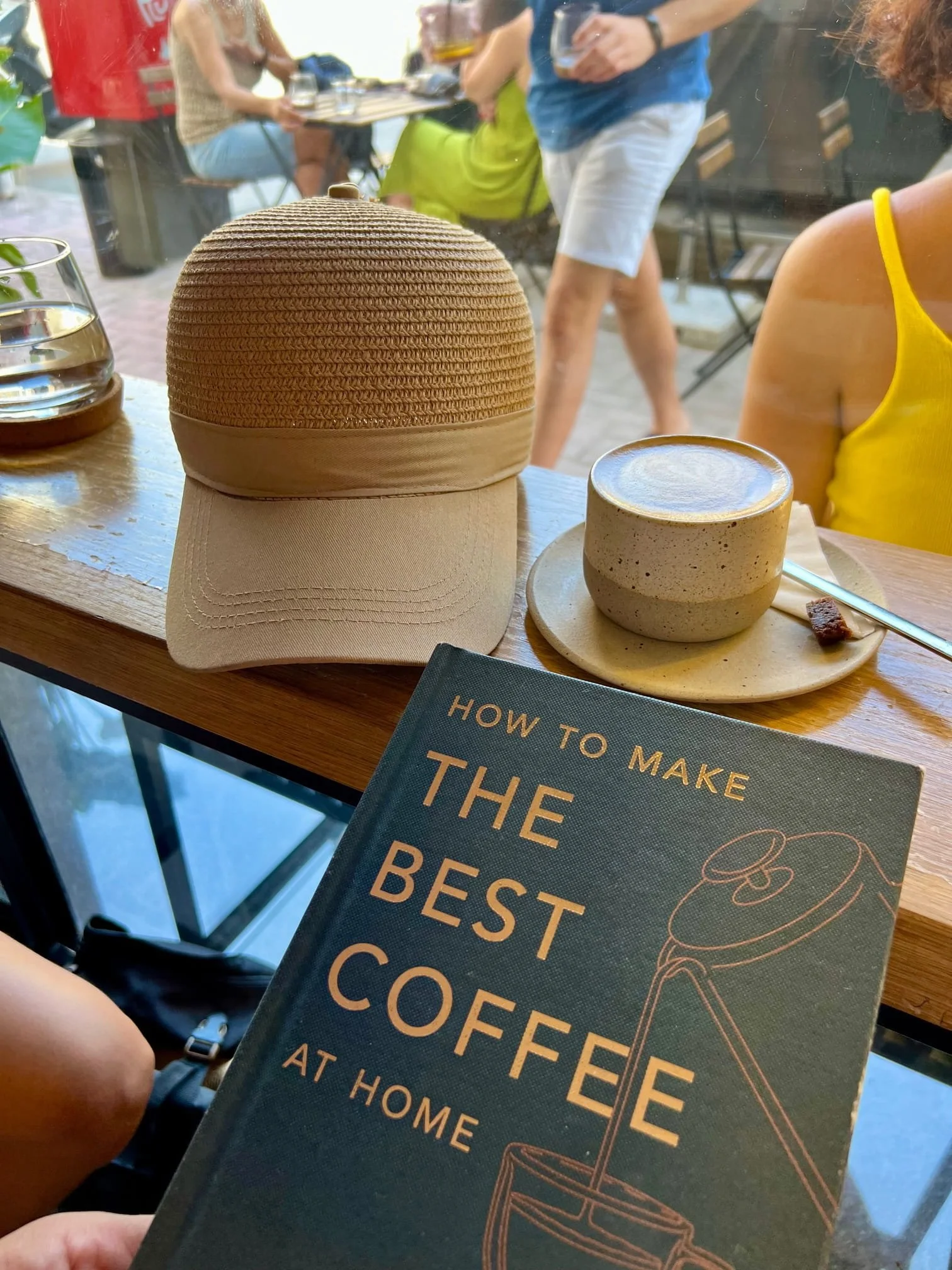
Loaf, Gzira
Brillace (Gzira waterfront area) is a cafe that is practically a community centre. It’s very easy to start a conversation while waiting for your coffee.
Loaf is located in the heart of Gzira and people come here for their daily coffee. You can usually place your order in English, Maltese or Spanish. Loaf staff and customers are multi-cultural and you will notice that many of the customers are living next door.
Then there is English Café Malta, the most popular meetup event on the island. Their events take place almost daily. You pay a small fee with drinks included, get a sticker with your languages and just talk. It sounds simple, but I’ve met people there who became close friends.
If you are not sure if Gzira or Sliema are right for you, read my comparison of all neighbourhoods in Where to Stay in Malta.
I hope you enjoyed this little guide. See you on the “rock”!
Follow us on instagram!
Author: Bjorn

Traffic in Malta is a topic everyone complains about. It can be time consuming and expensive to get from A to B. But after living here for several years (without owning a car) I’ve figured out a system that works. I mix and match.